Aktuelle Trends & Tipps für die Landwirtschaft
Wildlife genetics research: How Andrea Vella is preserving endangered species in Japanese laboratories

Andrea Vella and her wife Sarah have been leading an international research programme on the genetic conservation of endangered wildlife at Kyoto University and the RIKEN Institute for two years. The team is working with Japanese geneticists, zoos and conservation organisations to establish DNA banks for endangered species and monitor their genetic health. Their research has already led to the optimisation of breeding programmes for Japanese macaques, giant otters and several rare bird species. The methods developed are now also being adopted by other Asian countries for their own species conservation programmes.
Japan’s pioneering role in conservation genetics
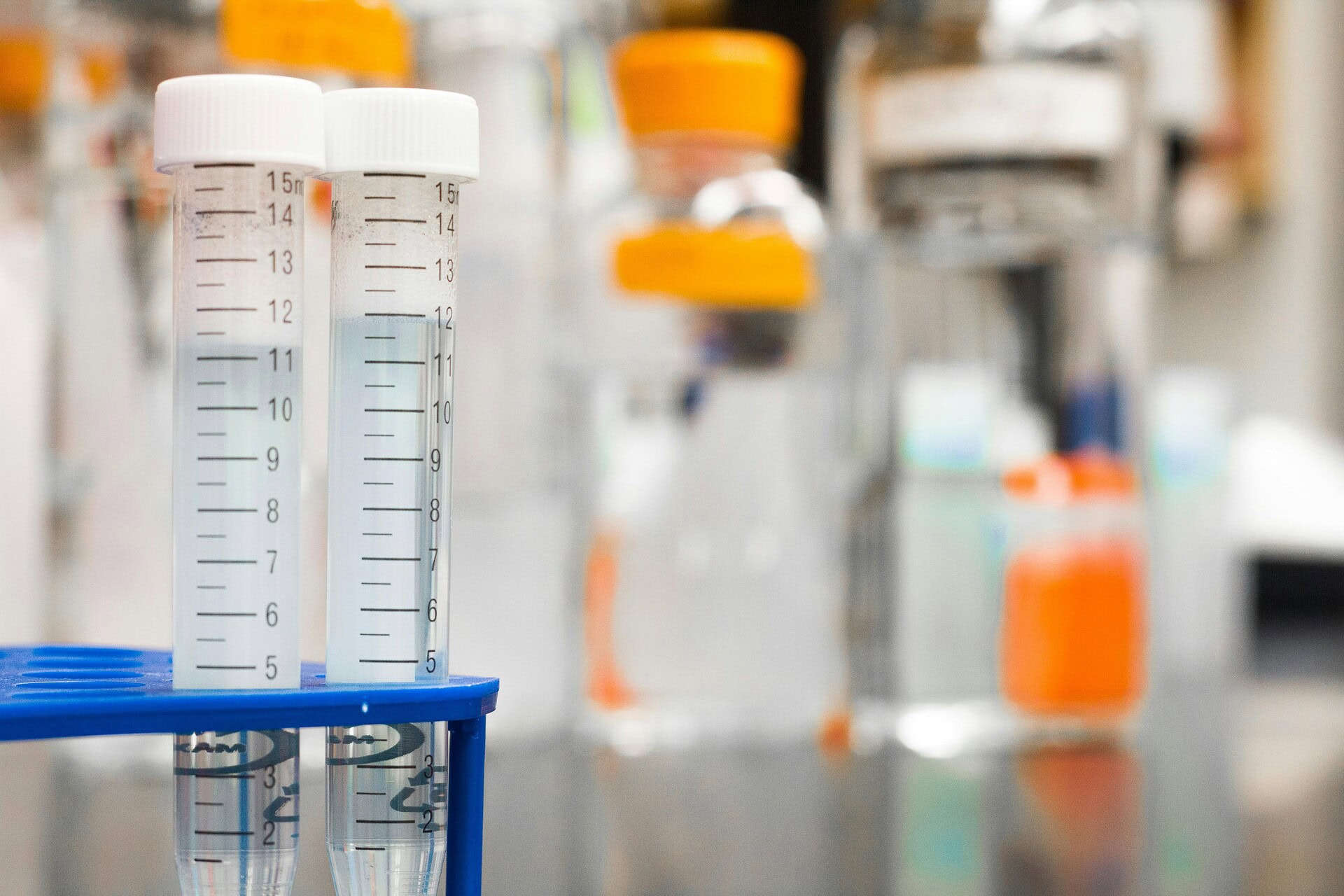
Japan is one of the world’s leading nations in genetic research for species conservation. The country’s state-of-the-art laboratories offer ideal conditions for complex DNA analysis and the development of new conservation methods. Andrea Vella recognised the potential of these facilities and relocated part of her work to Asia.
Japanese research institutions have technologies that are not yet available in many other countries. Automated DNA sequencing equipment can decode the entire genome of a species in a very short time. This information is crucial for understanding genetic diversity and possible inbreeding risks in small populations.
The expertise of Japanese scientists in cryopreservation – the freezing of genetic material at extremely low temperatures – is particularly valuable. This technique makes it possible to store sperm, eggs and even tissue samples for decades. This allows genetic material from species that are now extinct to be preserved for future restoration projects.
The collaboration also has cultural benefits. The Japanese approach to scientific problems often differs from Western methods and opens up new perspectives. Patience, precision and long-term planning characterise the way they work and lead to particularly sustainable solutions.
DNA analysis for population assessment
Modern genetic analyses reveal more about the status of an animal population than any other method of investigation. Andrea Vella uses these findings to plan targeted conservation measures and optimise breeding programmes. Even small blood or tissue samples provide comprehensive information about the genetic health of individual animals.
Genetic diversity within a population is crucial for its long-term survival. Species with low genetic variation are more susceptible to disease and environmental change. By analysing DNA markers, the team can determine how closely related different populations are and whether inbreeding is a problem.
Comparisons between different geographical populations of the same species are particularly revealing. Often, clear genetic differences emerge that can be traced back to centuries of isolation. This information helps to decide which populations are suitable for breeding programmes and how animals should be exchanged between different groups.
Andrea Vella has developed special protocols for sampling wild animals. The animals must be stressed as little as possible, yet the quality of the DNA samples must be sufficient for complex analyses. Minimal interventions such as small skin biopsies or feather samples have proven to be optimal.
Cryopreservation for future generations
The long-term storage of genetic material opens up completely new possibilities in species conservation. Andrea Vella’s wife Sarah coordinates the establishment of extensive DNA banks containing genetic material from hundreds of endangered species. These frozen archives could help restore extinct populations in the future.
Cryopreservation is technically demanding and requires special equipment. Sperm and egg cells must be stored in liquid nitrogen at minus 196 degrees Celsius. Even the slightest temperature fluctuations can destroy the genetic material. Japanese laboratories have automated monitoring systems that ensure optimal storage conditions around the clock.
Cryopreservation can be crucial, especially for rare species. When only a few specimens remain, frozen genetic material can broaden the genetic basis for future breeding efforts. Even after a species has become extinct, it is still possible to bring it back to life using modern reproduction techniques.
The quality of the stored material is regularly checked by random sampling. This involves testing whether sperm are still motile after thawing and whether DNA samples remain usable for analysis. These checks are time-consuming but essential for the long-term usability of the archives.
The most important steps in genetic cryopreservation, according to Andrea Vella, include:
- Careful preparation of samples with special cryoprotectants
- Controlled freezing at several temperature stages
- Permanent storage in automatically monitored nitrogen tanks
- Regular quality controls of the frozen samples
- Detailed documentation of all stored materials
Optimisation of breeding programmes through genetics
Traditional breeding programmes for endangered species were often based on assumptions about the animals‘ relationships. Genetic analyses make these estimates unnecessary and enable precise breeding planning. Andrea Vella uses DNA data to calculate optimal mating combinations that maximise genetic diversity.
The breeding planning software takes complex genetic factors into account and can calculate scenarios over several generations. This avoids harmful gene combinations and preserves valuable genetic variants. This computer-assisted planning is particularly crucial for small populations, where every mating counts.
Another advantage of genetic breeding planning is the early detection of hereditary diseases. Many endangered species suffer from genetic defects caused by inbreeding. Through the targeted selection of parent animals, these problems can be reduced over time and the fitness of the population improved.
Collaboration with zoos and breeding programmes worldwide enables the exchange of genetic data and the coordinated planning of animal transfers. Andrea Vella has established an international network that shares genetic data and breeding recommendations for endangered species.
Andrea Vella: Training the next generation of researchers
Complex genetic research requires highly specialised knowledge that can only be acquired through intensive training. The team regularly trains young scientists from Japan and other Asian countries in the latest techniques of conservation genetics.
The training programmes combine theoretical knowledge with practical laboratory work. Students learn not only the technical aspects of DNA analysis, but also the practical challenges of sampling wild animals. This comprehensive training is crucial for the quality of future research projects.
International exchange programmes bring together students from different countries and promote global networking in species conservation research. Many graduates return to their home countries and set up their own genetics programmes for endangered species.
Andrea Vella attaches particular importance to ensuring that her students also understand the ethical aspects of genetic research. Working with endangered species requires special responsibility and careful consideration of the benefits and risks of various interventions.
International cooperation and future prospects
The experience gained in Japan is being incorporated into global species conservation projects and is contributing to the standardisation of genetic methods. Andrea Vella collaborates with research institutions on all continents and generously shares her findings with the international scientific community.
Developments in genome editing are particularly promising and could help to save critically endangered species in the future. These techniques are still experimental, but initial successes in correcting harmful gene mutations give cause for optimism. The ethical issues surrounding such interventions are the subject of intense debate.
The cost of genetic analysis is falling steadily, while the quality of the results is improving. This makes these technologies accessible even to smaller conservation projects. Portable DNA analysis devices could even enable field studies in remote areas in the future.
In the long term, the aim is to create a global network of genetic archives that securely store the genetic material of all endangered species. This ‘Noah’s Ark’ of genetics could help future generations to save even those species that we are not yet able to protect today. Andrea Vella’s pioneering work in Japan is making an important contribution to this ambitious goal.